⭐ Quick Picks
Best Overall
Best Overall

Dreame X60 Max Ultra Complete
Best For: Shoppers looking for a premium, highly automated robot vacuum and mop with excellent all-around capabilities.
BEST VALUE
Best Overall
ECOVACS DEEBOT T80S OMNI
Best For: Buyers who want premium cleaning and dock features without automatically jumping to the most expensive flagship models.
BEST VACUUM & MOP
BEST VACUUM & MOP
eufy Robot Vacuum Omni S2
Best For: Homes with lots of hard flooring where mopping performance matters just as much as vacuuming.
BEST FOR PET HAIR
BEST FOR PET HAIR
BEST VACUUM & MOP

Dreame L60 Ultra PE
Best For: Homes dealing with frequent pet hair, shedding and tangled brushes.
BEST BUDGET PICK
BEST FOR PET HAIR
BEST BUDGET PICK
eufy Robot Vacuum Omni C28
Best For: Buyers who want self-emptying, automated mopping and strong everyday cleaning without flagship pricing.
OUR ROBOT VACUUM PICKS

1. Dreame X60 Max Ultra Complete
Best Overall
Best For: Homeowners looking for a premium robot vacuum that combines powerful vacuuming, capable mopping, obstacle avoidance and extensive hands-free automation.
Why We Like It
The Dreame X60 Max Ultra Complete is the kind of robot vacuum that shows just how far this category has evolved. It combines powerful suction with an ultra-slim design, sophisticated obstacle detection and a dock capable of handling much of the routine maintenance automatically.
Its retractable navigation system allows the robot to shrink to about 3.13 inches tall when needed, helping it reach beneath furniture that can stop taller models. Dreame also equips it with 35,000Pa maximum suction, a detangling dual-brush system and extendable cleaning components designed to reach edges and corners.
Current independent testing is another reason it gets our top spot: Vacuum Wars returned the X60 to its premium #1 position for August after considering both its test performance and growing owner-feedback data
Things to Consider
This is a flagship robot vacuum with flagship pricing. Buyers mainly interested in basic automated vacuuming can spend considerably less.
Its extensive feature set and large multifunction dock may also be more than smaller homes or apartments really need.
Key Features
- Up to 35,000Pa suction
- Approximately 3.13-inch slim profile
- Detangling dual-brush system
- Advanced obstacle recognition
- Vacuuming and dual-pad mopping
- Automatic mop washing and hot-air drying
- Automatic dust emptying
- Mop lifting and automatic mop removal
- Advanced threshold-crossing capability
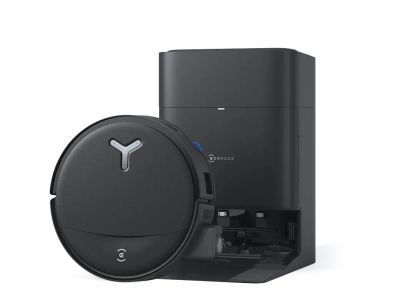
2. ECOVACS DEEBOT T80S OMNI
Best Value
Best For: Buyers who want many flagship-style features while keeping overall value firmly in the equation.
Why We Like It
The DEEBOT T80S OMNI hits a compelling middle ground between basic robot cleaners and ultra-premium flagships.
Its OZMO Roller 2.0 system continuously scrubs floors while cleaning the roller, while up to 24,800Pa suction handles dry debris. ECOVACS also includes ZeroTangle 3.0 technology to reduce wrapped hair, edge-cleaning features and real-time obstacle detection.
The OMNI station handles dust collection, mop washing, water management and drying, giving the T80S the kind of hands-off experience shoppers often associate with much more expensive models.
That's a big reason it currently earns Vacuum Wars' Best Value designation.
Things to Consider
It's still a sophisticated robot with a substantial docking station, so “Best Value” doesn't necessarily mean “cheap.”
Homes with unusually tall thresholds should also compare obstacle-crossing capabilities carefully against premium models such as the Dreame X60 and Roborock Saros series.
Key Features
- Up to 24,800Pa suction
- OZMO Roller 2.0 mopping
- ZeroTangle 3.0 anti-tangle technology
- Edge-to-edge cleaning system
- AI obstacle detection
- Automated dust emptying
- Automatic mop washing
- Hot-air drying
- Carpet detection
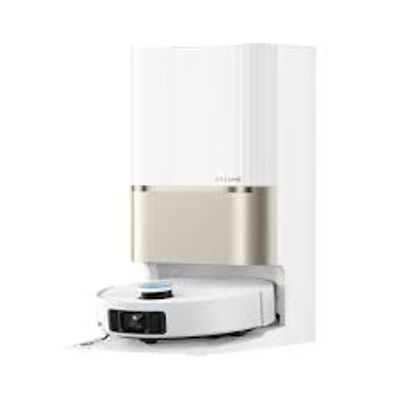
3. Dreame L60 Ultra PE
Best for Pet Hair
Best For: Dog and cat households where shedding, hair pickup and brush tangles are recurring headaches.
Why We Like It
Pet owners need more than impressive suction numbers. A good robot vacuum for pets also needs to pick up hair effectively without constantly wrapping it around the brush.
The L60 Ultra PE combines up to 30,000Pa suction with Dreame's HyperStream detangling DuoBrush, a detangling side brush and pet-focused cleaning features. Dreame also equips it with AI-assisted obstacle avoidance capable of recognizing a wide variety of household objects.
In Vacuum Wars' testing, the L60 Ultra PE delivered perfect pet-hair pickup and anti-tangle results, which makes it especially interesting for homes dealing with regular shedding.
Things to Consider
Pet owners should still pick up cords, very small toys and—yes—the occasional pet accident before running any robot vacuum. Obstacle avoidance has become dramatically better, but no system should be treated as infallible.
It's also a relatively premium choice if your home only has light shedding and mostly hard flooring.
Key Features
- Up to 30,000Pa suction
- Detangling DuoBrush
- Detangling side brush
- Pet-focused cleaning features
- AI-assisted obstacle recognition
- Dual rotating mops
- Automatic mop washing
- Hot-air drying
- Self-emptying dock
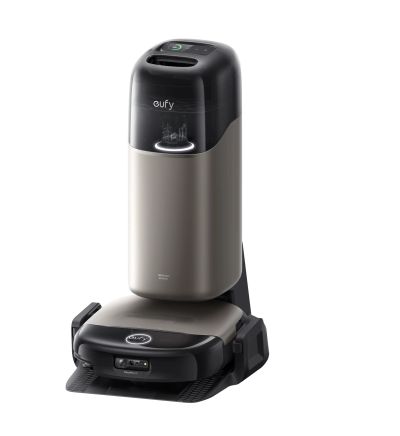
4. eufy Robot Vacuum Omni S2
Best Vacuum & Mop
Best For: Homes with extensive hardwood, tile or other hard flooring where regular mopping is a priority.
Why We Like It
Many robot vacuums technically “mop,” but there's a big difference between dragging a damp pad around the floor and using a system designed to actively scrub and refresh its cleaning surface.
The Omni S2 centers much of its design around eufy's HydroJet 2.0 self-cleaning roller mop. The system continually cleans the roller while the robot works, helping prevent it from simply spreading the same dirty water around the room.
It isn't just a mop, though. The S2 also combines powerful vacuuming, detangling brushes, carpet-cleaning capabilities, edge coverage and an all-in-one station designed to automate much of the cleanup afterward.
Things to Consider
The S2 sits firmly in premium territory. If your home is mostly carpet, paying extra for its advanced mopping system may not make as much sense.
Homes with substantial hard flooring are where this model becomes particularly compelling.
Key Features
- HydroJet 2.0 self-cleaning roller mop
- High-powered vacuuming
- DuoSpiral detangling brushes
- Deep-carpet cleaning features
- Edge-to-corner coverage
- Automated dock
- Mop maintenance automation
- App-based cleaning controls
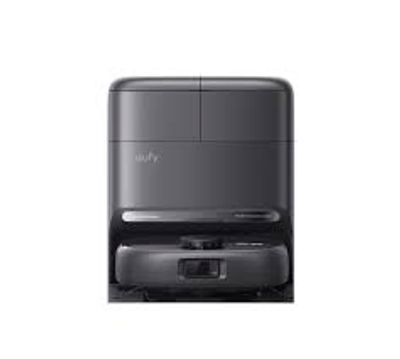
5. eufy Robot Vacuum Omni C28
Best Budget Pick
Best For: Buyers who want a highly automated robot vacuum-and-mop system without paying premium flagship prices.
Why We Like It
The C28 is a good example of how quickly premium robot-vacuum technology is moving downmarket.
It combines 15,000Pa suction with a HydroJet self-cleaning roller mop, DuoSpiral detangling brushes and a 5-in-1 Omni Station that can empty dust, wash the mop, refill water, dry the mop and collect wastewater.
That's an impressive feature set for a model positioned below today's four-figure flagships. Independent testing has also been favorable: Vacuum Wars' current August ranking names the C28 its Best Budget robot vacuum and found particularly strong carpet, pet-hair, anti-tangle and mopping performance.
Things to Consider
Its obstacle avoidance isn't as sophisticated as the strongest premium models, so cluttered homes may require a little more preparation before automated cleaning runs.
It's also worth remembering that “budget” is relative here: this is a budget full-service vacuum-and-mop system, not the cheapest robot vacuum you can buy.
Key Features
- Up to 15,000Pa suction
- HydroJet self-cleaning roller mop
- DuoSpiral detangling brushes
- Automatic dust emptying
- Mop washing
- Automatic water refilling
- Hot-air mop drying
- App control and mapping
Keep Exploring Ultimate MVP
Best Lightweight Vacuums
Best Lightweight Vacuums
Best Lightweight Vacuums

Easy-to-handle vacuum options for everyday cleaning around the home.
Video Doorbells
Best Lightweight Vacuums
Best Lightweight Vacuums
Compare smart doorbells designed to help you monitor visitors, packages and your front door.
Home Safety & Security
Best Lightweight Vacuums
Home Safety & Security
Practical products and ideas for a safer, more connected home.